Top 5 Myths About International Micro-Loans (And Why They Actually Work)
Top 5 Myths About International Micro-Loans (And Why They Actually Work)
Hey everyone, Mwelwa here.
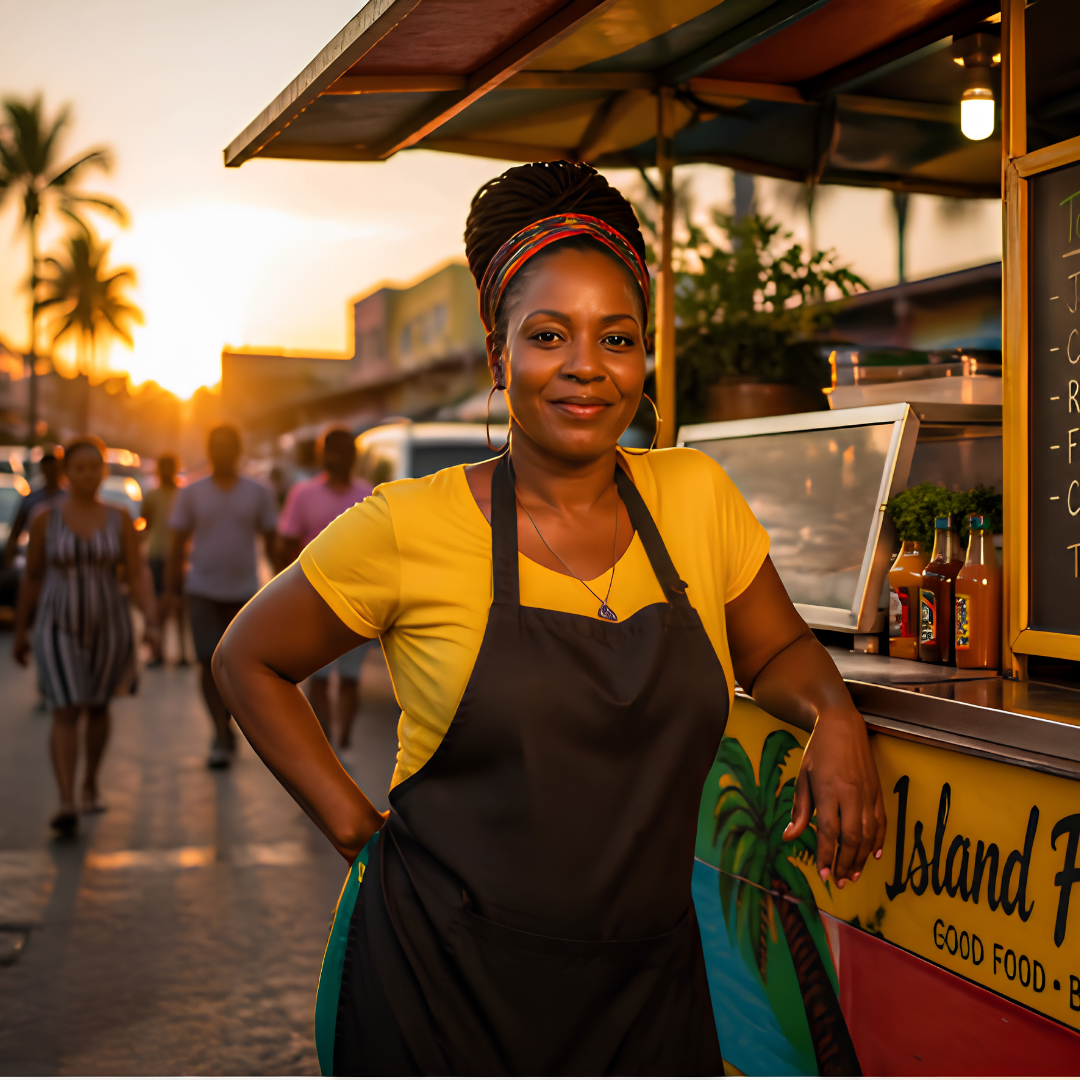
If you’ve been following Rising Phoenix Fund for a while, you know we’re obsessed with one thing: getting resources into the hands of people who can actually change their own lives. Specifically, we focus on the incredible women running street stalls, market tables, and small home businesses in places where a traditional bank wouldn’t even open the door for them.
Lately, I’ve heard a lot of chatter and questions about international micro-loans. Some people think they’re a magic wand, while others think they’re just another way for big organizations to feel good without making a real dent in poverty.
The truth? It’s somewhere in the middle, but it’s leaning heavily toward "they work when done right."
Because there’s so much noise out there, I wanted to sit down and bust the top five myths about micro-loans. We’re going to talk about why these small bits of capital are actually the secret sauce for community growth, and why your $50 donation might do more than you ever imagined.
Myth 1: Micro-loans are just "charity handouts" with a fancy name
This is probably the biggest misconception out there. When people hear about "helping the poor," they often think of a one-way street: you give money, someone buys food, the money is gone.
In reality, micro-loans are about empowerment, not charity. When we provide a loan to a street vendor in St. Lucia or a market woman in a developing region, we aren’t just giving them a gift. We are offering them a partnership.
The "magic" of a micro-loan is its revolving nature. When a woman receives a $300 loan to buy a new refrigerator for her juice stand or to stock up on bulk spices for her market stall, she pays that loan back over time as her business grows. That money doesn’t disappear into a black hole. It comes back to Rising Phoenix Fund, and then we immediately lend it out to the next woman in line.
One single donation of $500 can technically help five, ten, or twenty different families over a decade because that money keeps moving. It’s the ultimate sustainable gift.
Myth 2: Poor people are "too risky" and won't pay the money back
There’s a persistent, ugly myth that people living in poverty are somehow less responsible with money. In the world of finance, they’re often labeled "unbankable."
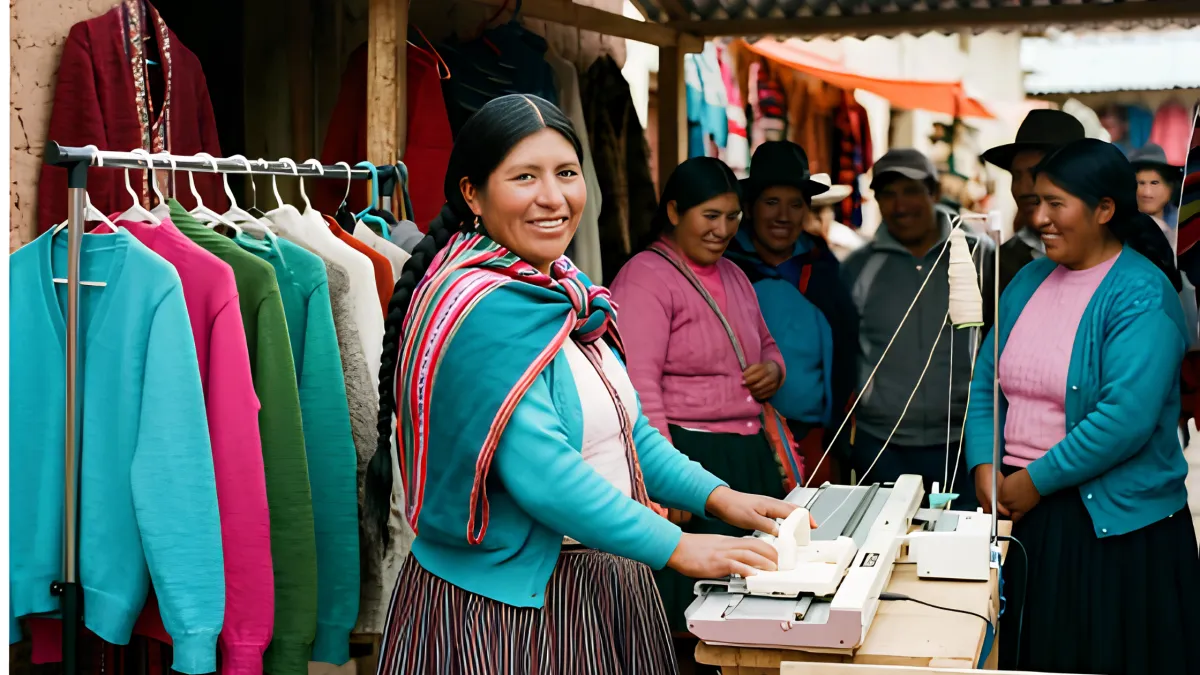
But if you look at the data: and if you look at our own experiences here at RPF: the opposite is true. International micro-loans often have repayment rates that would make Wall Street banks jealous. Why? Because for a woman running a small stall to support her children, that loan is a lifeline. She isn't just looking at a balance sheet; she’s looking at her kids’ school fees and the roof over their heads.
Furthermore, micro-loans often utilize "social collateral." These women are frequently part of tightknit community groups where they support one another. If one person struggles, the group steps in to help. There is a deep sense of pride in paying back a loan. It proves that they are capable, reliable business owners: which, of course, we already knew they were.
Myth 3: You need thousands of dollars to make a real difference
We see it all the time: a potential donor wants to help but thinks, "What is my $25 or $100 really going to do for someone in another country?"
In the world of micro-loans, a little bit of money goes a massive way. For many of the marginalized women we work with, the difference between "staying afloat" and "growing" is often less than $500.
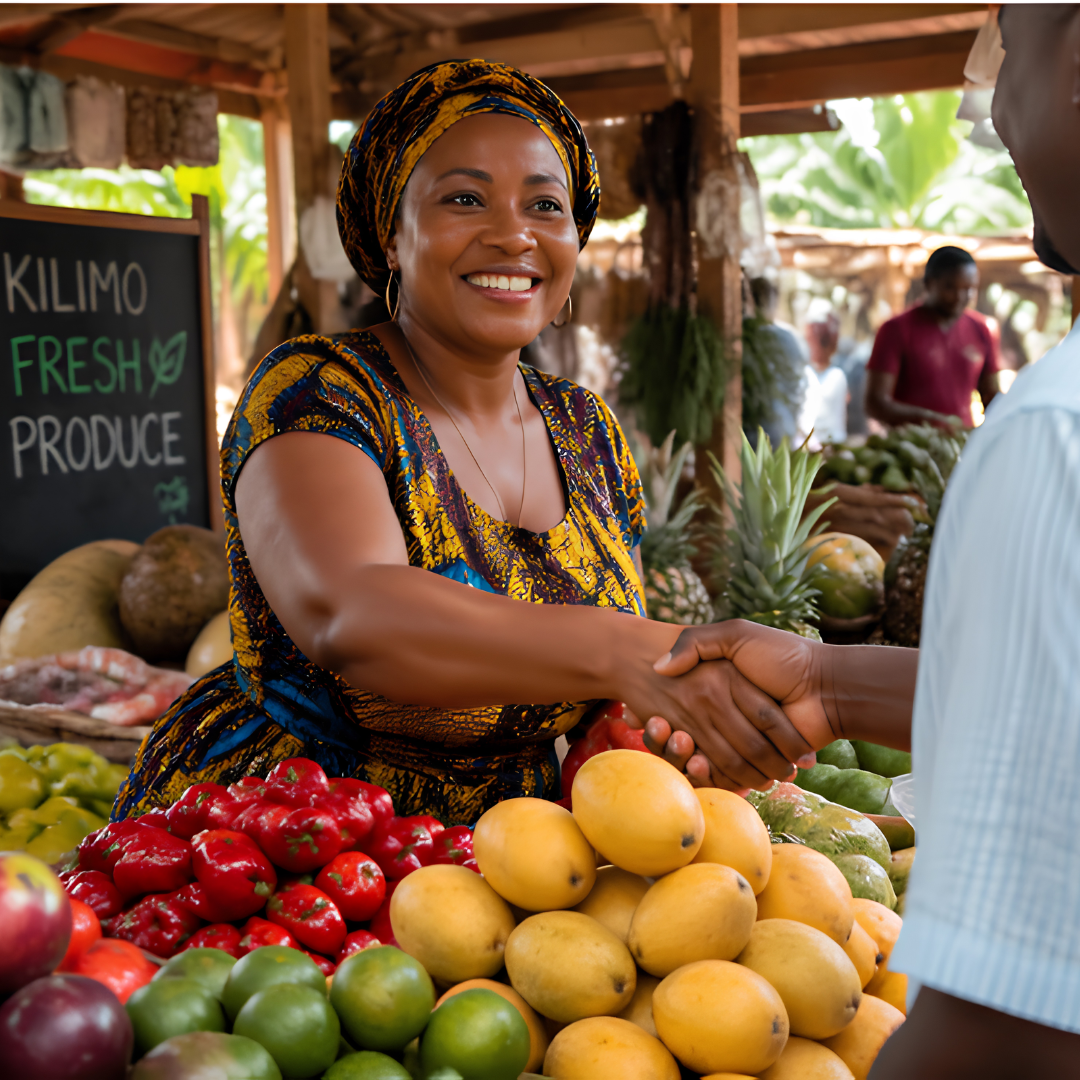
Think about a street vendor who sells handmade crafts. Right now, she might be buying her supplies daily because she can't afford to buy in bulk. This means she pays the highest possible price for her materials, leaving her with tiny margins. A micro-loan of $200 allows her to buy a three-month supply at wholesale prices. Suddenly, her profit per item doubles.
That small shift changes everything. It means she can afford better nutrition for her family, healthcare, and most importantly, she can weather the "slow days." Small donations are the engine of this entire movement. You don’t need to be a millionaire to be a philanthropist.
Myth 4: Micro-loans are "high risk" because these aren't "real" businesses
I hate this one. Just because someone doesn’t have a glass-walled office or a LinkedIn profile doesn't mean they aren't a CEO.
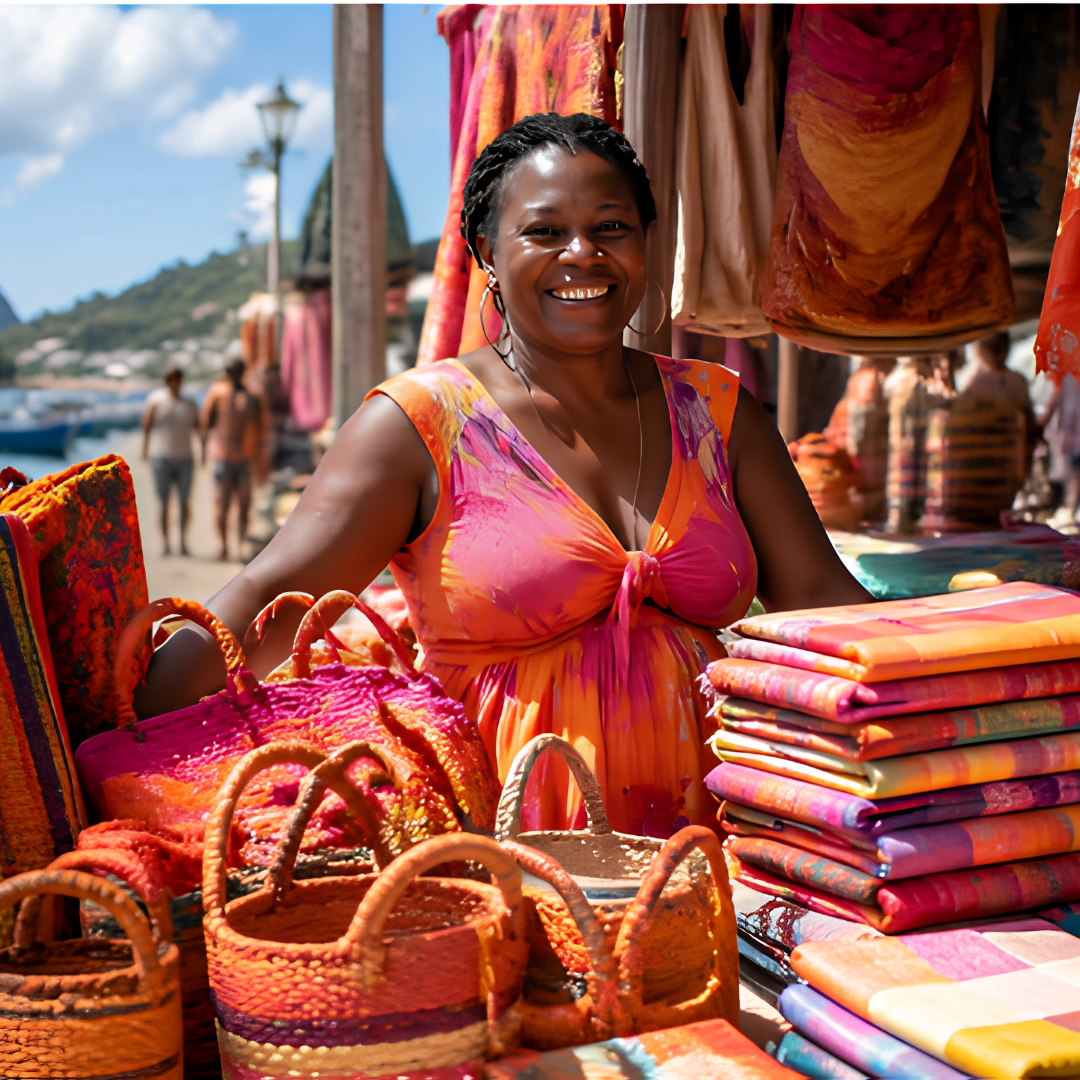
The women we support: the street vendors, the market ladies, the roadside cooks: are some of the most brilliant entrepreneurs I’ve ever met. They have to be. They are managing supply chains, customer service, marketing, and accounting all while navigating volatile local economies.
Take our recent St. Lucia Vendor Series from last month. We spoke with women who have spent decades selling to tourists coming off cruise ships. When COVID-19 hit and the ships stopped coming, their income vanished overnight. Most traditional businesses would have folded. But these women stayed. They pivoted. They found ways to sell to locals or trade services.
Supporting these "marginalized" groups isn't a risk; it’s an investment in resilience. When you support a woman business owner, you are supporting someone who already knows how to stretch a dollar further than any corporate executive ever could.
Myth 5: Giving a loan is enough to "solve" poverty
We have to be honest here: a loan by itself isn’t a silver bullet. If you give someone a loan but they don't have a market to sell in, or they don't have the training to manage their growth, the loan can become a burden.
That’s why micro-loans "actually work" when they are part of a bigger picture. At Rising Phoenix Fund, we don't just drop off a check and leave. We focus on advocacy, community building, and providing the right kind of capital.
We address the fact that women in these regions often face systemic barriers: they might not be allowed to own land, or they might be expected to handle 100% of the childcare while running a business. By focusing on women, we are addressing the root of community stability. When a woman earns an income, she statistically reinvests 90% of it back into her family (education, health, nutrition)
Why This Matters Right Now
As we move through 2026, the world is still feeling the ripples of the last few years. In places like St. Lucia, the tourism industry is recovering, but the small-scale vendors are often the last ones to see that "recovery" money. The big resorts get the bailouts; the woman selling mangoes and handmade jewelry on the beach gets nothing.
That’s where we come in. And that’s where you come in.
By supporting micro-loans, you are participating in a system that respects the dignity of the borrower. You aren't giving a "handout" that creates dependency. You are providing the spark that allows a woman to fire up her own engine.
How You Can Help Today
If you’ve been on the fence about whether your contribution matters, let this be your sign. We are looking for "micro-donors": people who can give anything from $10 to $1,000. These funds are pooled together to create the revolving loans that change lives.
Here is what your support can do:
• $50 can help a vendor buy a month's worth of inventory upfront
• $250 can provide the capital for a woman to repair her equipment or upgrade her stall.
• $500 can fund an entire micro-loan that will be paid back and lent out again and again for years to come.
These women are ready to work. They have the ideas, the grit, and the local knowledge. All they are missing is the capital.
Join the movement and make a donation today: https://risingphoenixfund.org/donate-now
Let’s stop believing the myths and start betting on the people who are actually doing the work.
Stay simple, stay impactful.
: Mwelwa Kostrick CEO, Rising Phoenix Fund Inc.